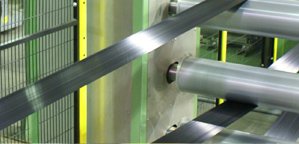
Geotextile

Geotextile Range
Price list of 02.09.2026
| Name | Density, g/m2 |
Rupture strength, along length/ along width kN/m |
Elongation at rupture not more than, % |
Thickness at load of 2 kPa, +/- 0.5 mm |
Roll length, m (roll width of) |
Price in UAH, m2 with VAT |
| Heat-treated (calendered) geotextiles - stamp production technology (roll width 1,0; 1,5; 2,0; 3,0 m) | ||||||
| Runo К 100 | 100 | 2,8/2,8 | 25-80/35-90 | 0,5 | 50/100 | 22,50 |
| Runo К 150 | 150 | 4,0/3,8 | 25-80/35-90 | 0,7 | 50/100 | 29,28 |
| Runo К 200 | 200 | 5,4/6,0 | 25-80/35-90 | 1,0 | 50/100 | 37,68 |
| Runo К 250 | 250 | 7,2/9,1 | 25-80/35-90 | 1,5 | 50/100 | 44,70 |
| Runo К 300 | 300 | 8,6/10,9 | 25-80/35-90 | 2,0 | from 50/100 | 52,62 |
| Heat-treated (calendered, impregnated) geotextile – staple fiber production technology (roll width 2.0 m) | ||||||
| Runo P/P 200 | 200 | 6,0/6,0 |
25-80/35-90 |
1,0 | 50/100 | 39,00 |
| Runo P/P 300 | 300 | 9,0/10,9 |
25-80/35-90 |
2,0 | 50/100 | 54,00 |
| Heat-treated (chemically bonded) geotextiles - staple production technology (roll 3,0 m) | ||||||
| Runo Р 100 | 100 | 6,5/3,8 | 25-80/35-90 | 0,5 | 250 | 25,86 |
| Runo Р 150 | 150 | 9,0/3,8 | 25-80/35-90 | 0,7 | 200 | 33,36 |
| Runo Р 200 | 200 | 12,0/7,4 | 25-80/35-90 | 1,0 | 150 | 43,32 |
| Runo Р 250 | 250 | 14,0/9,6 | 25-80/35-90 | 1,5 | 100 | 55,20 |
| Runo Р 300 | 300 | 15,0/10,9 | 25-80/35-90 | 2,0 | 100 | 63,60 |
| Heat-treated geotextile - spunbond production technology (roll width 1,0; 1,5; 3,0 m) |
||||||
| Runo S 100 | 100 | 4,0/3,0 | 50/50 | 0,7 | 100 | 22,50 |
| Runo S 150 | 150 | 5,5/4,5 | 50/50 | 0,95 | 100 | 29,28 |
| Runo S 200 | 200 | 9,5/7,5 | 50/50 | 1,2 | 100 | 37,68 |
| Runo S 250 | 250 | 11,0/9,0 | 50/50 | 1,5 | 100 | 44,70 |
| Runo S 300 | 300 | 13,0/12,0 | 50/50 | 2,0 | 100 | 52,62 |
| Geotextiles are heat-treated, chemically bonded - spunbond production technology (roll width 1,0; 1,5; 3,0 m) |
||||||
| Runo SP 100 | 100 | 5,0/3,0 | 22/24 | 0,7 | 100 | 25,86 |
| Runo SP 150 | 150 | 8,8/6,6 | 23/24 | 1,0 | 100 | 33,36 |
| Runo SP 200 | 200 | 12,4/9,8 | 24/25 | 1,2 | from 100 | 43,32 |
| Runo SP 250 | 250 | 14,0/12,0 | 30/30 | 1,4 | 100 | 55,20 |
| Runo SP 300 | 300 | 16,0/14,0 | 30/30 | 1,6 | 100 | 63,60 |
We offer two popular types of geotextile fabric: Runo K and Runo P. They differ in production methods, application and physical characteristics. Both materials are used in building and road construction, in drainage projects, and in industries where reinforcement, filtration, and drainage are required.
Geotextile Runo K (calendered)
This material is produced by needle punching, followed by calendering (flat hot pressing). Such a method ensures its excellent mechanical properties and durability.
Basic characteristics:
- Type. Calendered (heat-treated , flat-pressed).
- Density. Typically, between 100 and 300 g/m².
- Material. The main material is polyester.
- High tensile strength, so it is ideal for soil reinforcement and strengthening.
- Permeability. It has good filtering properties and passes water well while retaining soil particles.
- Resistance to aggressive environments and chemicals such as oils, weak acids, and alkalis.
- Temperature conditions. Tolerates temperatures from -50°C to +200°C (withstands heated bitumen or asphalt).
- Application. It is used to reinforce road pavements, stabilize land slopes, arrange drainage systems, and solve other tasks requiring strength and durability.
Geotextile Runo P (soaked)
The material is similar to Runo K. It is additionally treated by soaking in special chemical compositions to improve its physical and mechanical properties: strength, stiffness and environmental resistance.
Basic characteristics:
- Type. Soaked (chemically bonded).
- Density. Typically varies from 100 to 300 g/m², depending on the intended use.
- Material. It is made of polyester, and the soaking includes substances that increase the material's resistance to mechanical stress.
- Tensile strength. Characterized by higher tensile strength and load resistance, stiffness, and geometric stability. Therefore, it is used for reinforcement in cases where the uniform distribution of loads on the reinforcement layer is required.
- Permeability. Soaking may slightly reduce the material permeability to water, but geotextiles still have good filtering properties for drainage systems.
- Resistance to aggressive environments. Geotextile Runo P is relatively resistant to chemicals such as oils, weak acids, and alkalis.
- Temperature conditions. Durable and resistant to a wide temperature range from -50°C to +200°C typically.
- Application. It is used in construction and road works where increased strength, stiffness, and elasticity modulus are required to reinforce heavily loaded road surfaces, protect soil, and strengthen structures.
Geotextiles Runo K and Runo P have distinctive features suitable for different application tasks. Runo K is characterized by good durability and high elasticity. Runo P, on the other hand, is less elastic but stiffer and more durable due to soaking.
The choice depends on the material’s specific operating conditions and durability requirements.
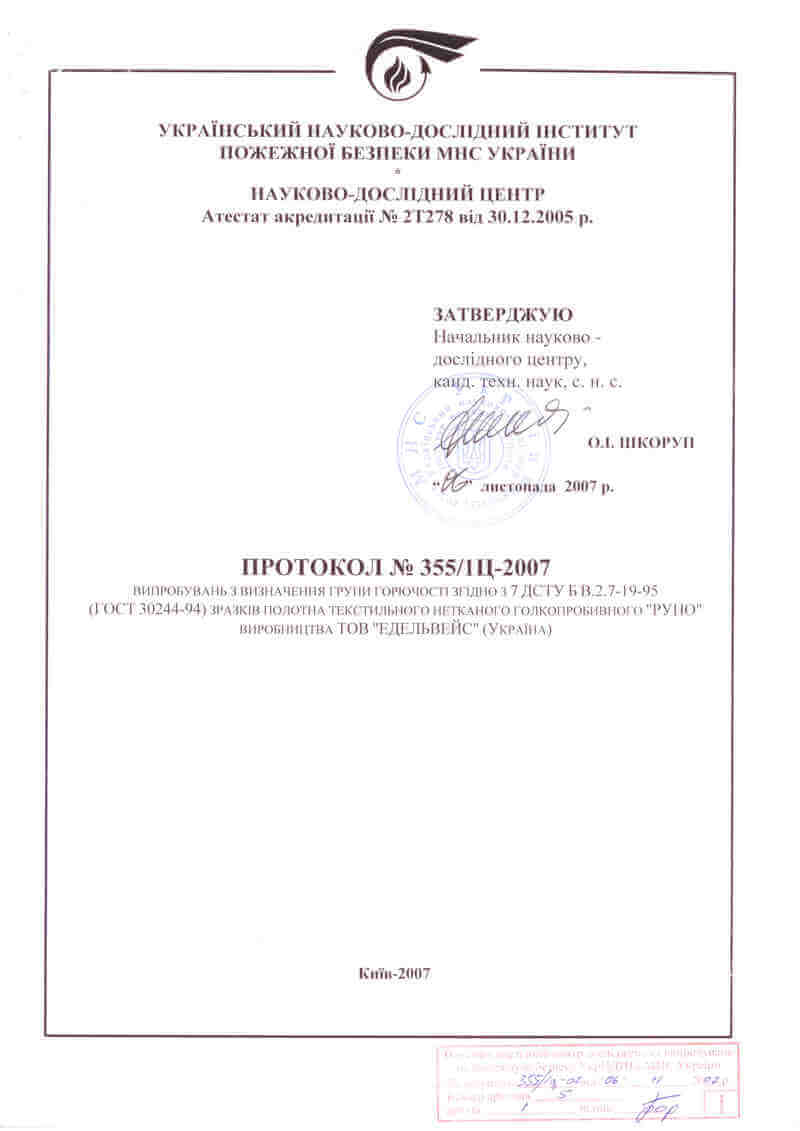
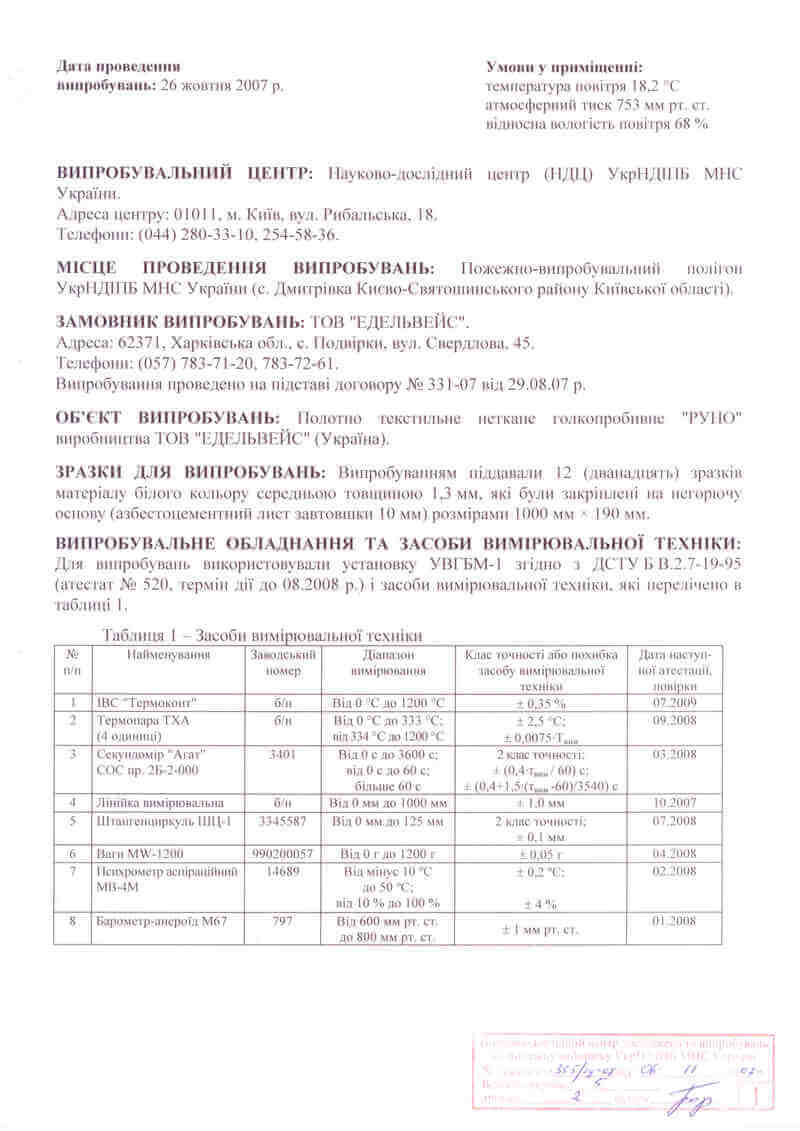
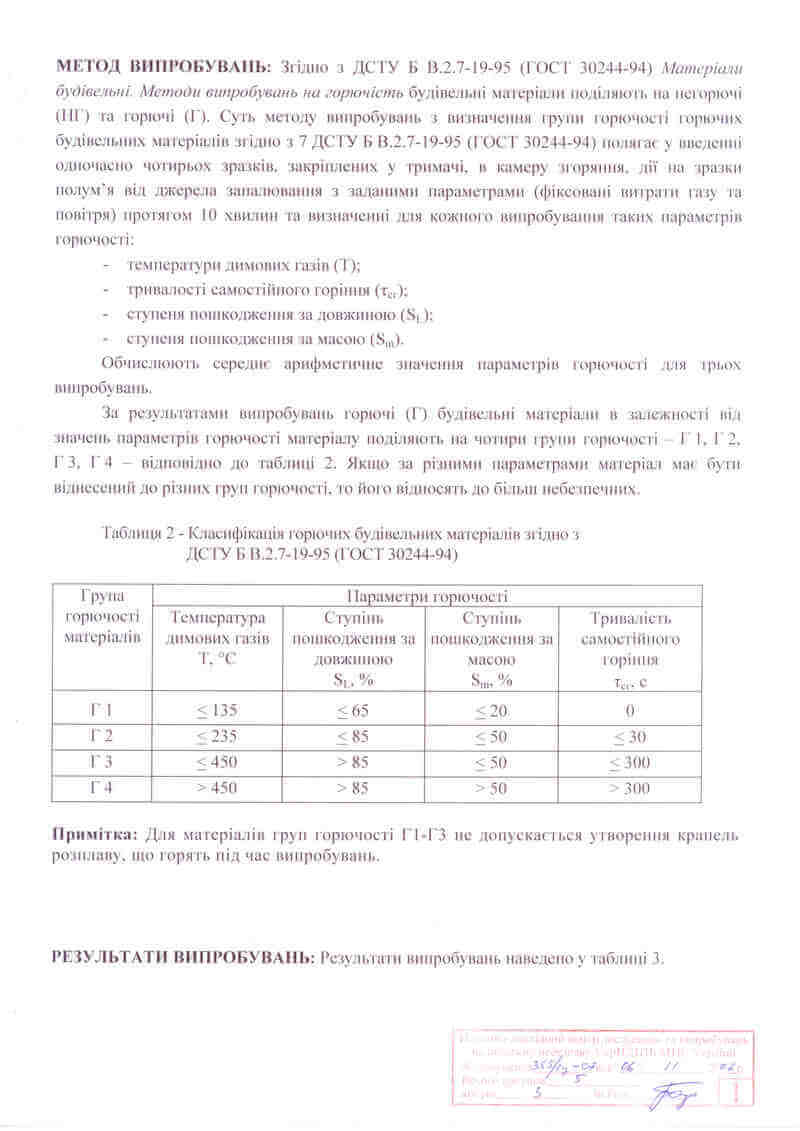
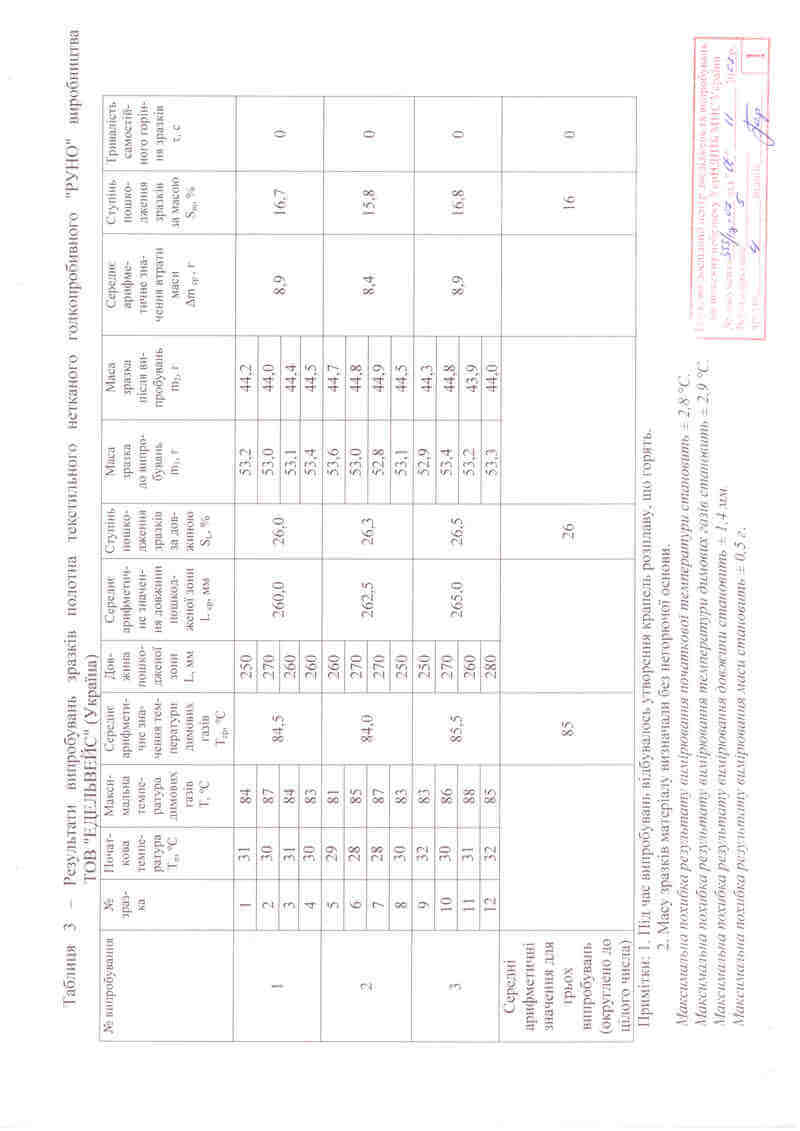
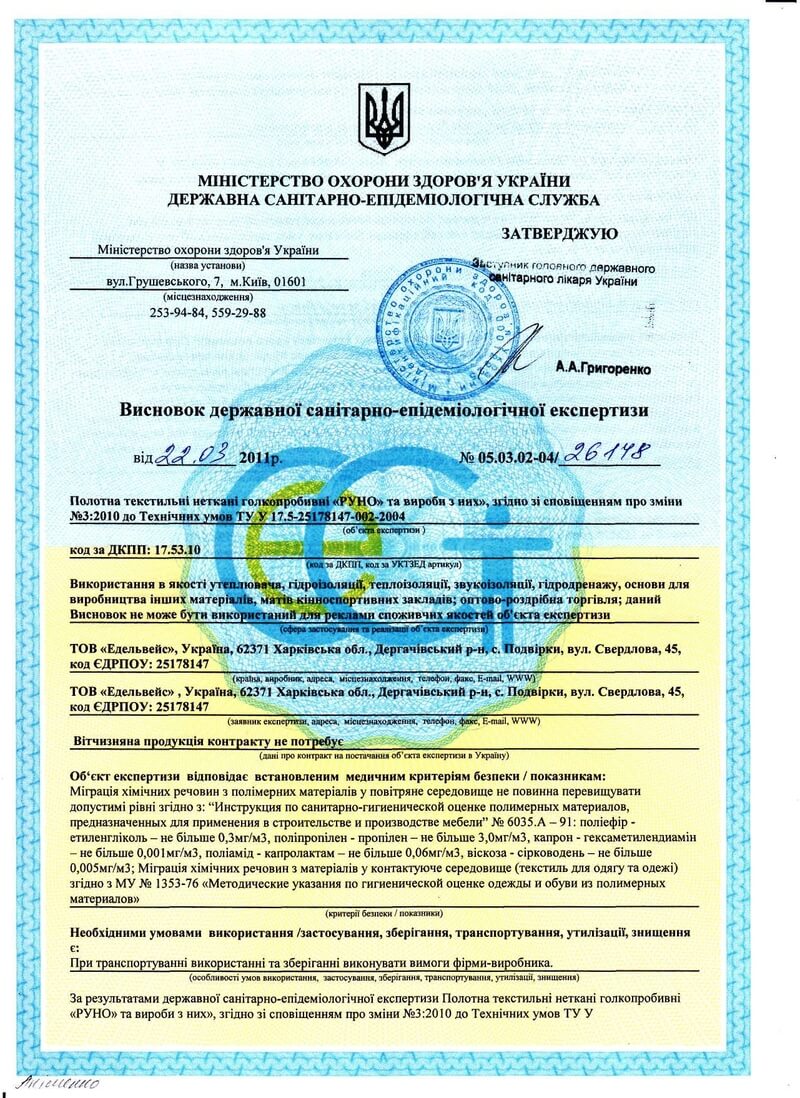
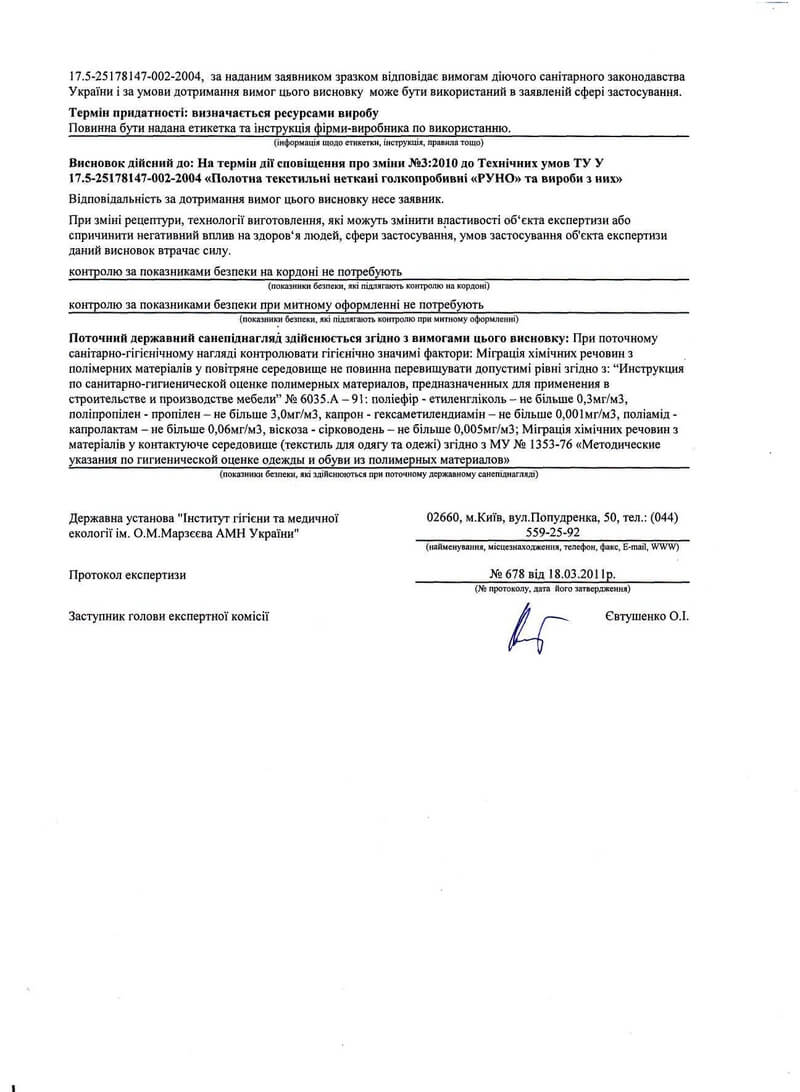
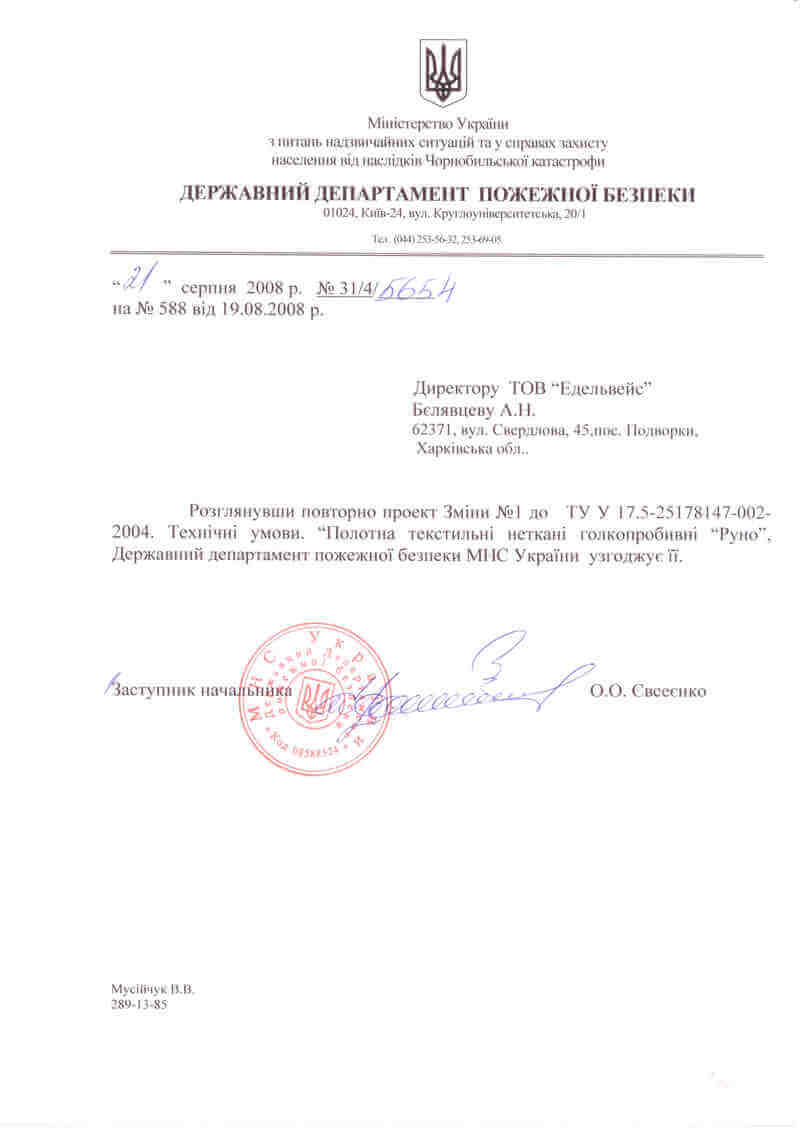
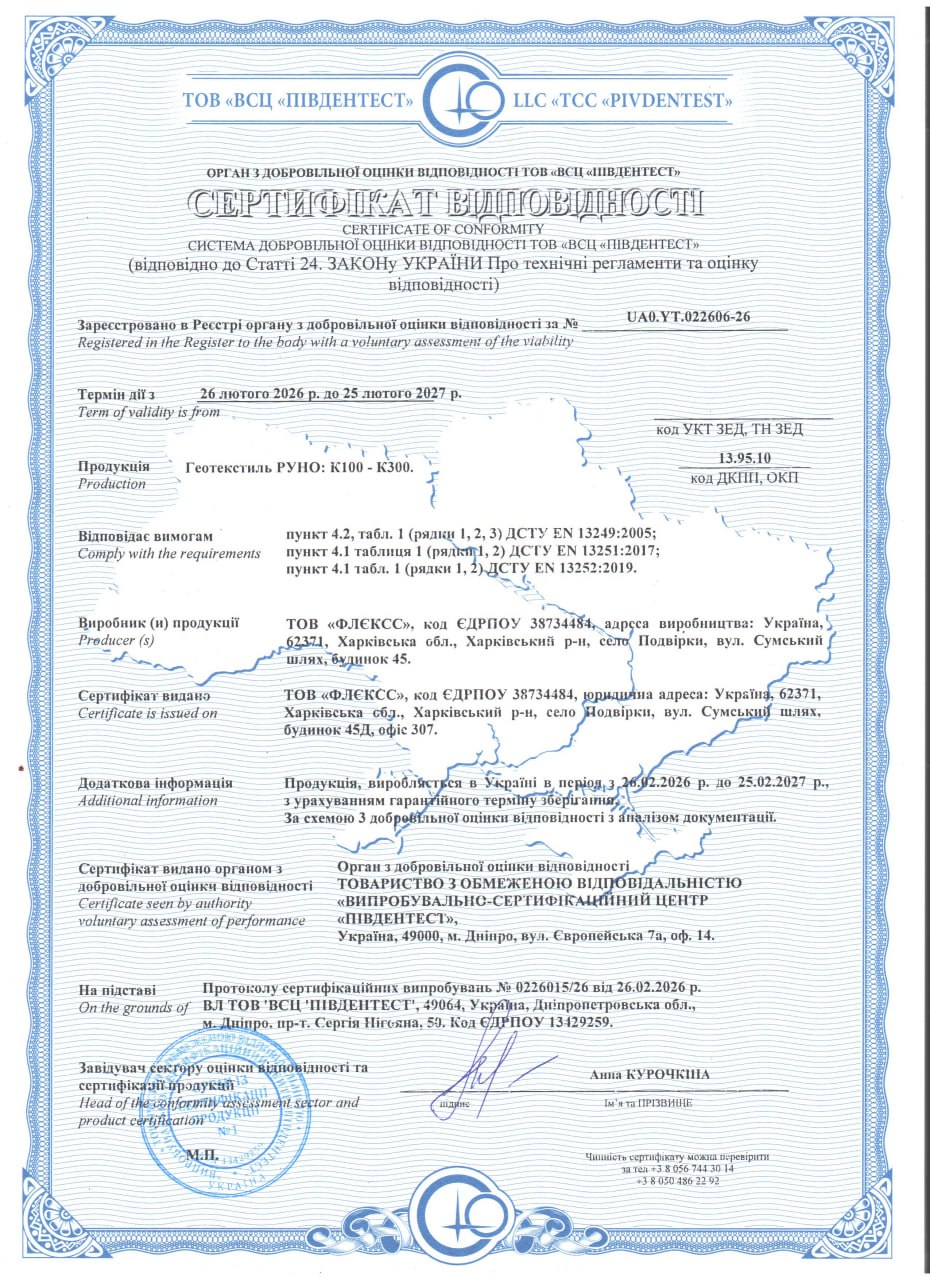
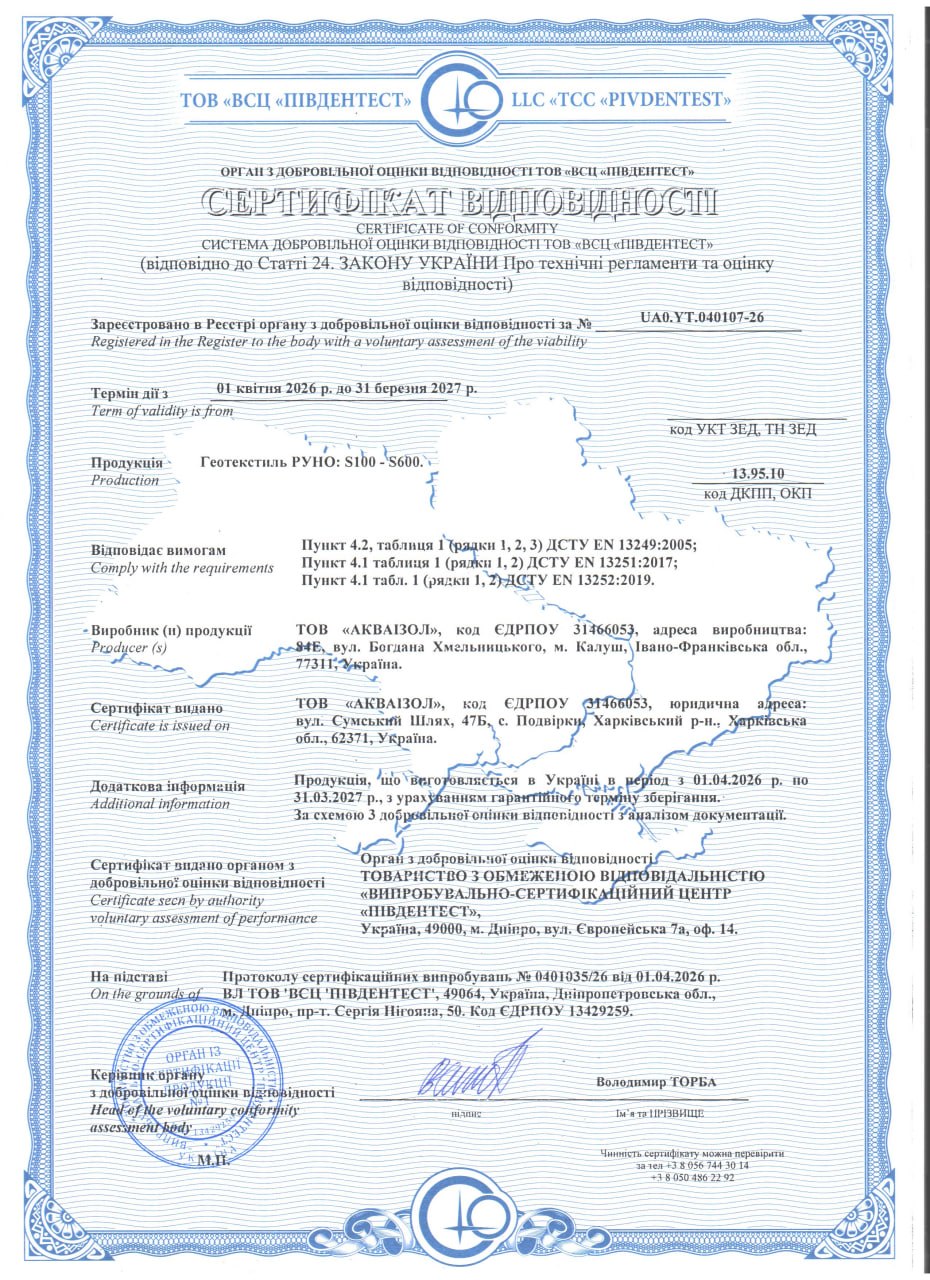
Certificates for geotextiles
About geotextile and its properties
Geotextile is a universal synthetic material widely used in geotechnics and construction to fulfill a variety of engineering tasks. The innovative product has unique properties to create stable and durable engineering structures: it extends the life of road surfaces, strengthens the foundation base, and improves the drainage system.
Geotextile is used in such fields as landscape design and gardening, building, and road construction. The material is indispensable for underground structures, tunnels, dams, airports, and car park construction.
In construction, geotextile fabric is used to strengthen slopes, arrange drainage systems, organize ground beds for road surfaces, separate soil layers, and prevent their mixing.
In landscape design, the material is good for the arrangement of geological cells, lawns, ponds, and decorative elements.
The advantages of geotextile application are obvious because it is:
- eco-friendly;
- easy to install;
- durable;
- economical.
Geotextile main components and production process
The main constituent components of geotextile are several types of materials, which are united by a long service life and application versatility in various niches.
- Raw materials.
Polymer materials: polypropylene, polyethylene, polyester, polyamide, etc. - Production.
- Production process: carding (staple fiber carding technology) or spunbond technology.
Additional processing: thermal, chemical, or mechanical to improve strength.
- Woven geotextile.
Production process: on the loom.
Additional processing: lamination and soaking to provide additional functions.
Polyester-based geotextile has increased strength and durability. It is UV stabilized, as well as resistant to most acids and alkalis.
Flexx LLC offers to buy geotextiles from the manufacturer in Ukraine, wholesale and retail. We offer excellent service, professional advice, and fast delivery to our customers.
The geotextile price depends on several factors: length, width, manufacturing method, and density. The last indicator plays a key role, as it determines the fabric application and price variation.
The geotextile production process involves several technological steps:
- production of fibers or yarns from selected polymers;
- material formation followed by needle punching, heat, or chemical treatment;
- additional processing that is used to make the product the required physical and mechanical properties.
Ultimately, a versatile material with excellent permeability properties is obtained. At the same time, geotextile is not subject to decomposition, bacteria, and the acidic environment in soil and water.
The unique qualitative characteristics of this material are also high elasticity and durability contributing to the use of geotextile fabric in areas with increased pressure.
Geotextile beneficial properties in various fields
Geotextile's unique properties make it indispensable in the creation of reliable and durable engineering structures. Let's consider the main beneficial properties of the material and its application areas.
- Durability and environmental resistance. These properties allow it to be used in high humidity conditions, on various soils, and under the influence of an aggressive environment.
- Drainage and filtering properties. Geotextile allows effective water drainage from the ground, preventing its subsidence. In addition, the material provides water filtration, thus preventing the mixing of soil layers and protecting them from erosion.
- Soil separation and reinforcement. Geotextile is used to separate different soil layers, preventing their mixing and ensuring an even load distribution. Additionally, the material helps stabilize slopes, preventing rockfalls and landslides.
- Ecological safety. Geotextile is an eco-friendly material that does not pollute the environment. That’s why it is the perfect fabric for use in natural areas.
- Filtration. Geotextile can hold solid soil particles, passing only water or other liquids through. This helps prevent drainage systems from clogging and preserve the integrity of engineering structures.
- Ease of installation. The material is easy to lay and fasten, thus simplifying the construction process and saving time and resources.
Non-woven fabric defines a variety of areas where it can be used effectively and usefully. It can help arrange the site easily, save on bulk material consumption, and keep the area free of weeds.
Geotextile main application areas
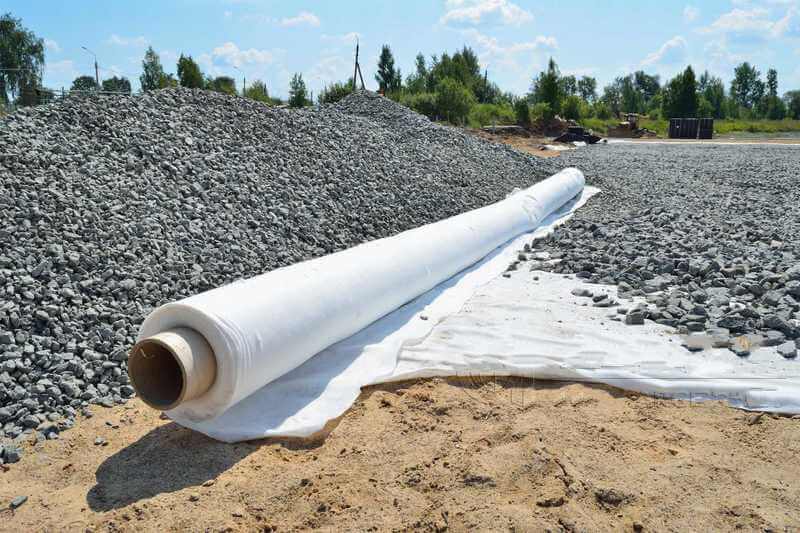
The geotextile application is gaining high popularity among both professional bodies and individuals. Let's consider the main directions of its use.
- Drainage systems. The material is used in drainage systems to protect drainage pipes, filter water, and prevent clogging.
- Road surface construction. The fabric is used in road construction to reinforce the ground, separate layers, and protect it against damage.
- Coastal protection. Geotextile is used to protect coastal areas from erosion and rockfall.
- Slope stabilization. The material is applied for slope stabilization and landslide prevention.
- Smoothing irregularities under the PVC membrane. If the membrane is laid on top of concrete, then geotextile is used to smooth irregularities of the concrete surface. If the membrane is mounted on polystyrene foam – the fabric acts as a separator. Thus, heat insulator ferments do not react chemically with PVC membrane components and do not destroy its structure.
Geotextile is used in almost all areas of construction: in sports complexes, car parks, railway tracks, supporting structures, and drainage systems construction. The material is also used to reinforce soil near hills, arrange private territories, and much more.
Where to buy geotextile from the manufacturer in Ukraine
Geotextiles made of synthetic materials can be conveniently and quickly ordered in any quantity on the website of Flexx LLC. The variety of product selections available to customers in the Flexx online shop, first of all, differs in width.
Geotextile in rolls width is 3.03 m and length is from 100 to 300 m. Geotextile with a width of 1.01 m is permanently available. We can also produce a 1.5 m wide geotextile to order. All variants of fabrics have the same structure:
- fabric elasticity;
- load distribution balance;
- chemical oxidation stability;
- weed growth prevention;
- excellent drainage quality;
- ease of use;
- no chance for insect reproduction;
- exceptional reinforcing properties;
- reasonable price.
The above-mentioned positive features can be continued, depending on the success of the carried work. The basic qualitative characteristics become vivid when the geotextile fabric is applied. The construction period of various architectural structures demonstrates how important and effective its wide application is.