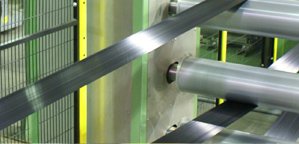
Drainage geotextile

Geotextile Range
Price list of 30.03.2026
| Name | Density, g/m2 |
Rupture strength, along length/ along width kN/m |
Elongation at rupture not more than, % |
Thickness at load of 2 kPa, +/- 0.5 mm |
Roll length, m (roll width of) |
Price in UAH, m2 with VAT |
| Heat-treated (calendered) geotextiles - stamp production technology (roll width 1,0; 1,5; 2,0; 3,0 m) | ||||||
| Runo К 100 | 100 | 2,8/2,8 | 25-80/35-90 | 0,5 | from 100 | 22,50 |
| Runo К 150 | 150 | 4,0/3,8 | 25-80/35-90 | 0,7 | from 100 | 29,28 |
| Runo К 200 | 200 | 5,4/6,0 | 25-80/35-90 | 1,0 | from 100 | 37,68 |
| Runo К 250 | 250 | 7,2/9,1 | 25-80/35-90 | 1,5 | from 100 | 44,70 |
| Runo К 300 | 300 | 8,6/10,9 | 25-80/35-90 | 2,0 | from 100 | 52,62 |
| Heat-treated (chemically bonded) geotextiles - staple production technology (roll width 1,0; 1,5; 2,0; 3,0 m) | ||||||
| Runo Р 100 | 100 | 6,5/3,8 | 25-80/35-90 | 0,5 | from 100 | 25,86 |
| Runo Р 150 | 150 | 9,0/3,8 | 25-80/35-90 | 0,7 | from 100 | 33,33 |
| Runo Р 200 | 200 | 12,0/7,4 | 25-80/35-90 | 1,0 | from 100 | 43,32 |
| Runo Р 250 | 250 | 14,0/9,6 | 25-80/35-90 | 1,5 | from 100 | 55,20 |
| Runo Р 300 | 300 | 15,0/10,9 | 25-80/35-90 | 2,0 | from 100 | 63,60 |
| Heat-treated geotextile - spunbond production technology (roll width 1,0; 1,5; 3,0 m) |
||||||
| Runo S 100 | 100 | 4,0/3,0 | 50/50 | 0,7 | from 100 | 22,50 |
| Runo S 150 | 150 | 5,5/4,5 | 50/50 | 0,95 | from 100 | 29,28 |
| Runo S 200 | 200 | 9,5/7,5 | 50/50 | 1,2 | from 100 | 37,68 |
| Runo S 250 | 250 | 11,0/9,0 | 50/50 | 1,5 | from 100 | 47,70 |
| Runo S 300 | 300 | 13,0/12,0 | 50/50 | 2,0 | from 100 | 52,62 |
| Geotextiles are heat-treated, chemically bonded - spunbond production technology (roll width 1,0; 1,5; 3,0 m) |
||||||
| Runo SP 100 | 100 | 5,0/3,0 | 22/24 | 0,7 | from 100 | 25,86 |
| Runo SP 150 | 150 | 8,8/6,6 | 23/24 | 1,0 | from 100 | 33,33 |
| Runo SP 200 | 200 | 12,4/9,8 | 24/25 | 1,2 | from 100 | 43,32 |
| Runo SP 250 | 250 | 14,0/12,0 | 30/30 | 1,4 | from 100 | 55,20 |
| Runo SP 300 | 300 | 16,0/14,0 | 30/30 | 1,6 | from 100 | 63,60 |
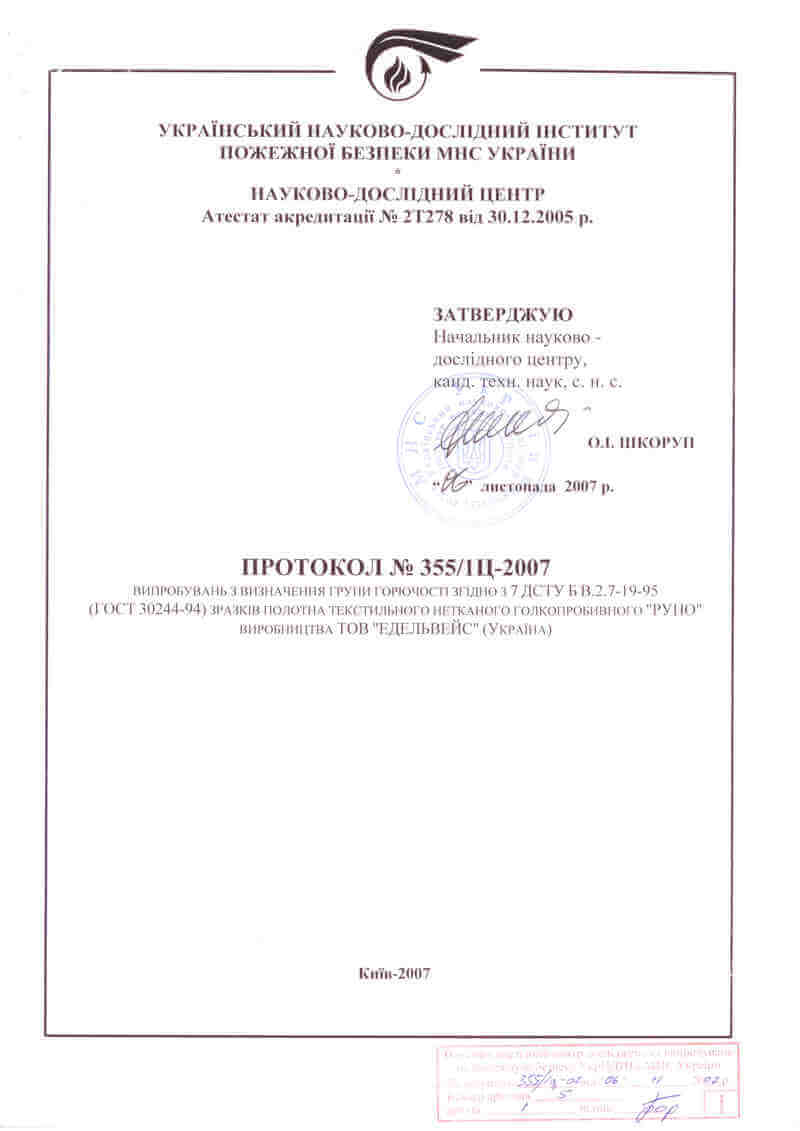
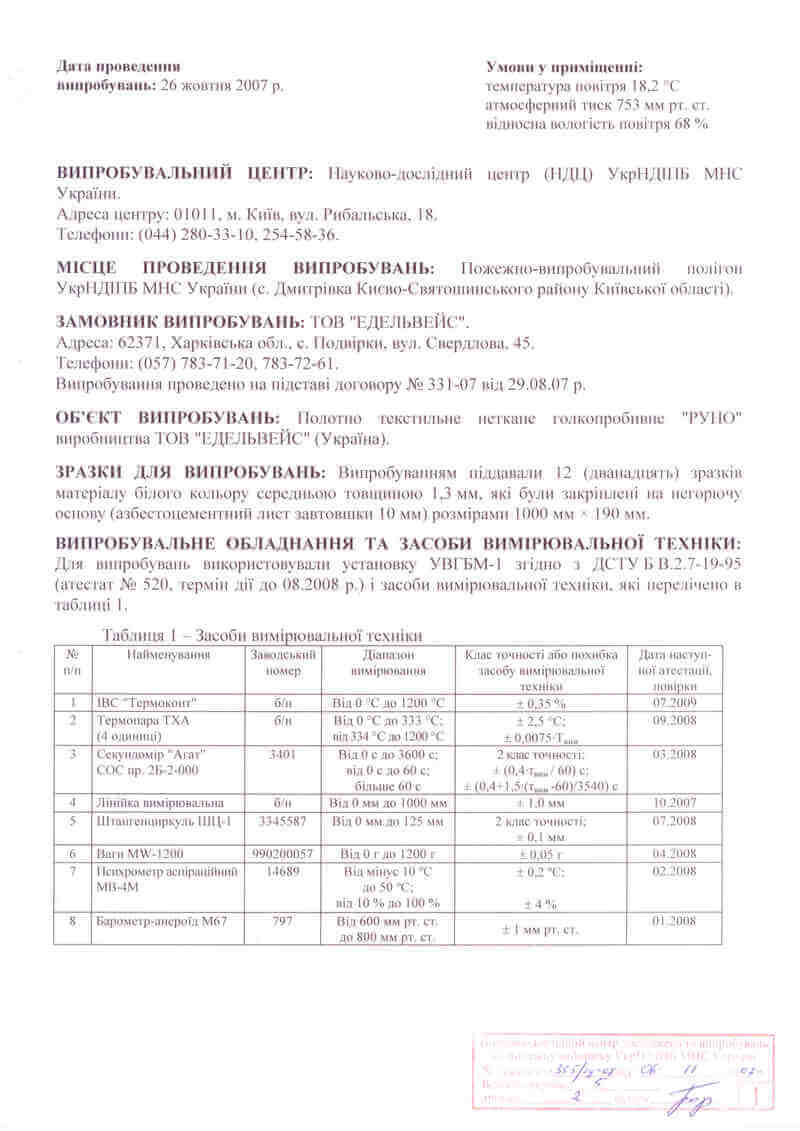
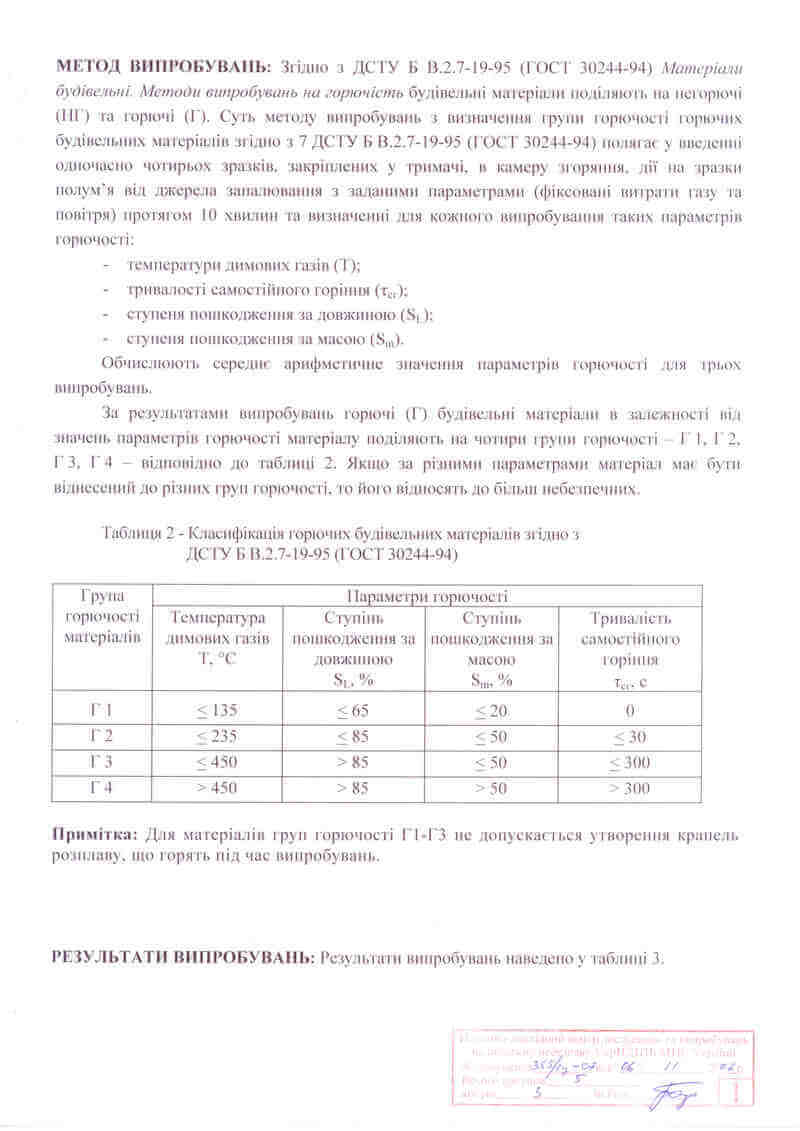
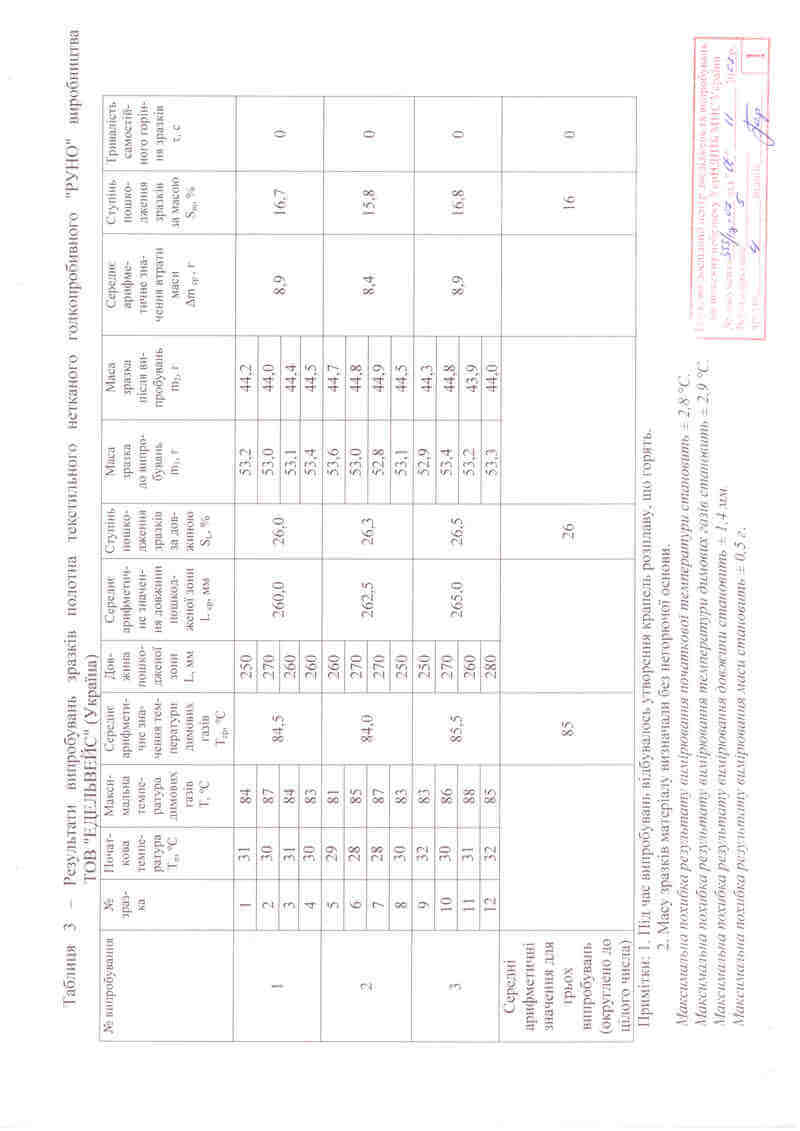
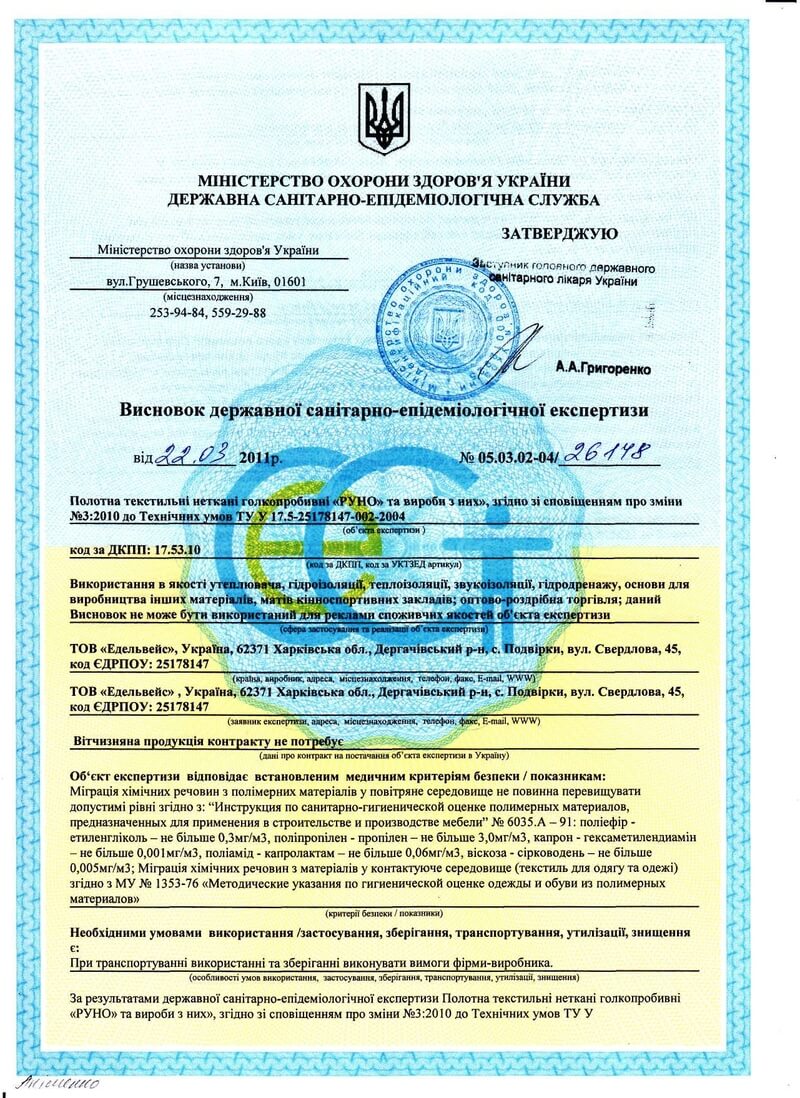
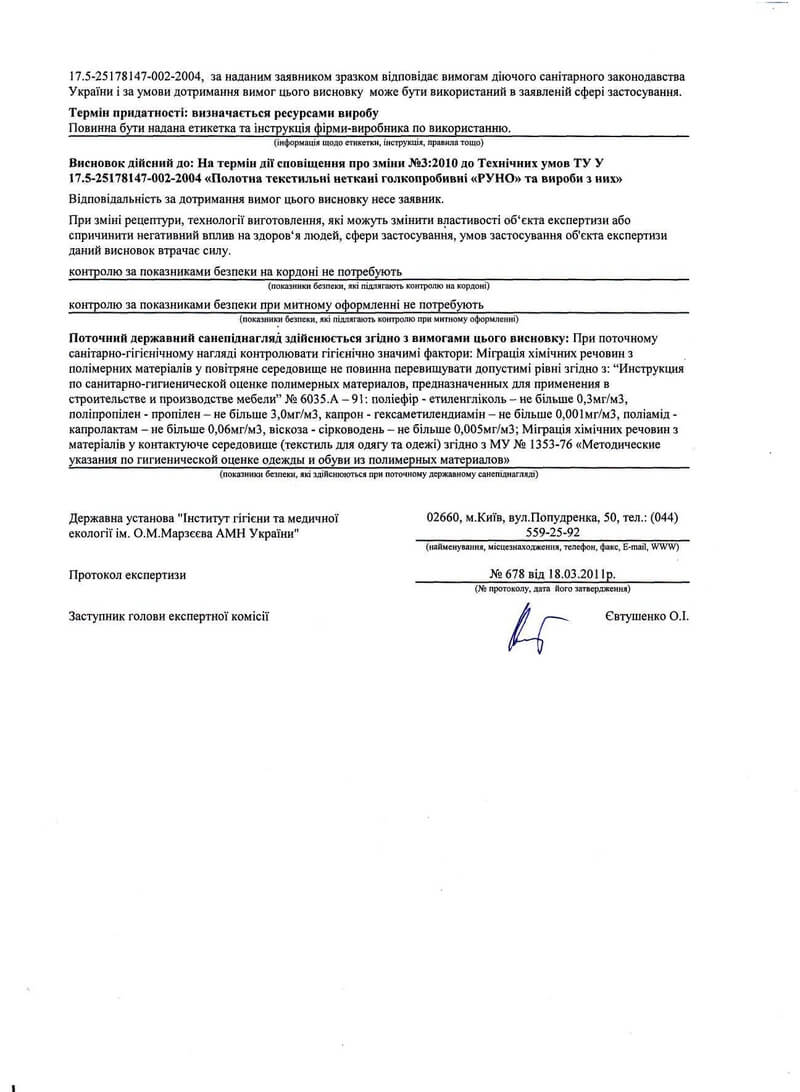
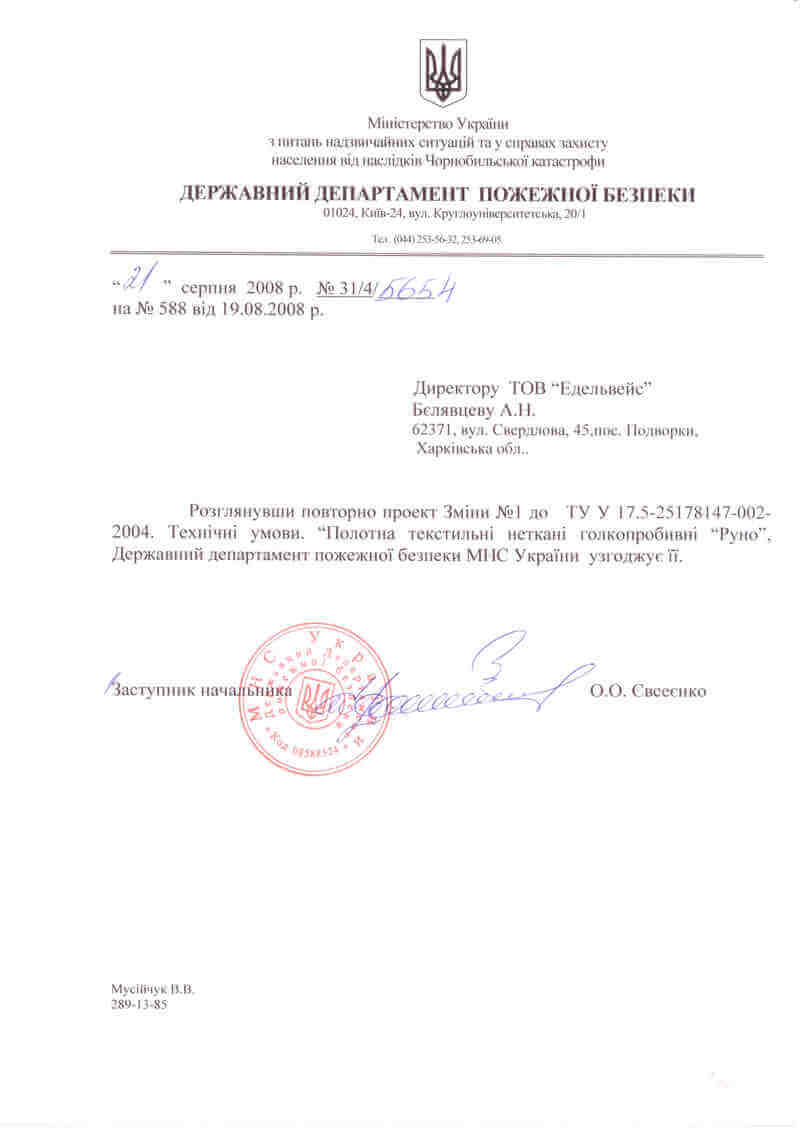
Certificates for geotextiles

Drainage geotextile is a polyester fabric for removing excess moisture during irrigation or rainfall. For this purpose, material of low density is often used – 100/150/200 g per m2. At the same time, the fabric strength must be high enough, because the drainage system quality depends on this indicator. Therefore, we do not recommend that you save on materials for garden areas and summer house arrangements.
On average, drainage geotextiles last around 25 years. While choosing high-quality material, you are investing in your confidence and peace of mind that your land plot will be protected from excess moisture in the future.
What is drainage geotextile
Drainage geotextile is made of special fibers that retain and drain excess water accumulated in the soil. In addition to moisture retention, this material is high-tensile. While crushed stones and gravel are used in drainage system projects, the fabric must withstand the load created by stones, maintaining its integrity.
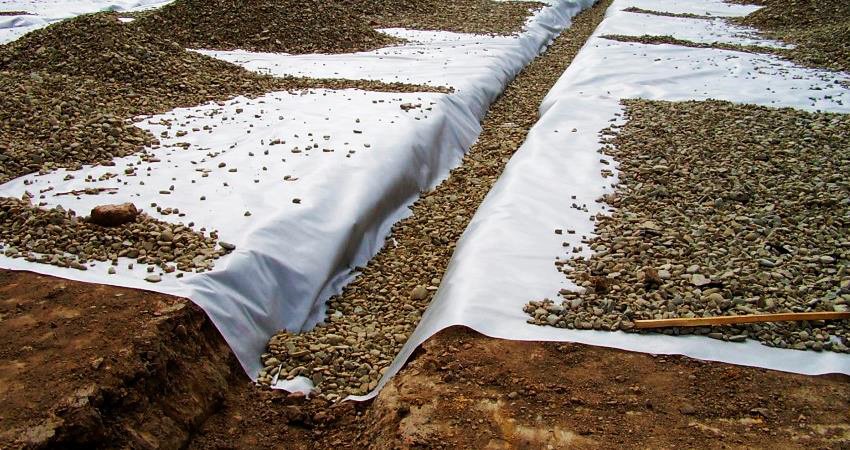
Geotextile application in soft drainage arrangement
Drainage geotextile does not get moldy. It can’t be damaged by rodents and insects and does not hurt the soil. Due to its resistance to temperature fluctuations, the fabric is not affected by seasonal and climatic conditions.
The material is easy to install: a piece is laid on the trench bottom, covered with crushed stones, and gravel, and connected in overlap from 10 to 50 centimeters around the drainage pipe. To avoid ingress of soil particles and prevent the mixing of drainage rubble with pulp when laying a drainage pipe with holes in the walls, geotextile is also to be used – it is to cover the trench bottom and wrap the pipe.
Drainage geotextile characteristics
We offer you to buy needle-punched drainage geotextile for drainage ditches. It has a looser structure, which simplifies the drainage process.
The selection of high-quality geotextile is the best thing you can do for your future land plot. The combination of price, quality, and choice of respected manufacturer is the key to a successful purchase. If you have any questions related to the order, contact our manager who is ready to answer all of them. We want our customers to be satisfied with our company and products!
Tasks that geotextiles solve
Geotextile for drainage pipes is irreplaceable when arranging a high-quality drainage system. It is difficult to imagine landscape works without this modern fabric. After all, to build an eco-parking, alpine garden, flower beds, fountains, garden paths, and other decorative elements one should prepare the drainage system properly.
Thus, geotextile:
- helps to discharge groundwater and flood water;
- increases filtration;
- excludes erosion in soil layers;
- performs reinforcement function;
- helps to separate layers and also increases soil stability.
As a manufacturer, our company guarantees the best price for the drainage geotextile. This is one of the key advantages we have over the competitors.
How to choose a drainage geotextile?
To choose a drainage geotextile, you need to pay attention to several details:
- fabric density – for drainage systems, a material with a density of 100-200 g m2 is the best;
- manufacturer – you should pay attention to the company's reputation, reviews on its work and product quality;
- price – high-quality drainage fabric cannot be cheap.
Drainage system construction is a difficult and time-consuming process that requires special skills and high-quality materials. As the drainage system can serve for many years, provided that all earthworks and construction processes are done correctly, you should not save on construction materials.
Drainage geotextile application depending on the density
The geotextile density varies from 100 to 500 g/m2. You should not think that the denser the material you choose, the more durable and stronger the drainage system will be. For this task, the ideal density is from 100 to 200 g/m2. Such a fabric combines tensile strength, and the ability to withstand high loads, while allowing water to pass through well and not to silt up.
Before ordering geotextile, calculate the required measurement length in detail. Please take into account that the fiber should be laid freely during installation, without pretension, at the same time, folds or waves are not allowed. An overlap of about 30 cm is also used.
Geotextile for drainage system installation technology
The first thing that needs to be done to arrange a drainage system is to dig the required number of trenches. The earthwork should be planned in detail, calculating the trench height and width. When calculating, the pipe width to the dimensions of the trench itself is worth adding.
Secondly, you should lay geotextile under the drainage in such a way that it covers not only the trench bottom but also the walls with a small overlap on the edges. Next, you need to fill the trench with crushed stone or gravel – the optimal stone layer is about 10 cm. Lay a drainage pipe on top and fill the remaining space of the trench by about 2/3. Geotextile should be wrapped around the pipe, with the edges of the material slightly under each other for strong fastening. Then the trench is to be filled with earth.
If you plan to buy a drainage geotextile for your garden plot or house – consider fibers of 100/150/200 g/m2 density in our online shop. We offer the best quality and cost of material for drainage system construction!
Why you should buy drainage geotextile from Flexx company
Thanks to our experience and professional team, we have been helping you find the best quality building materials for years. More of that, we:
- provide fast delivery to all regions of Ukraine;
- help you choose the right construction materials for your needs;
- always offer the best prices and promotions.
We care about our reputation, so good service and comprehensive customer support are among our company values. Have any questions about geotextiles for drainage pipes? Contact our support team and our managers will answer all your questions!